
Sleep difficulties, persistent fatigue and ongoing stress can affect physical health, cognitive performance and everyday wellbeing. At Getchecked Clinic in Dubai, physician-led assessments help explore potential causes, identify relevant health risks and develop individualized strategies to support sleep, recovery and long-term wellness.
Sleep and recovery concerns can have multiple contributing factors, including lifestyle habits, medical conditions, medications and emotional stress. A personalized assessment helps determine which factors may be relevant and whether further investigation or specialist referral is appropriate.
Understanding Mental Wellness, Sleep & RecoverySleep, emotional wellbeing and physical recovery influence one another. Poor sleep may affect concentration, mood, blood pressure and metabolic regulation, while stress, illness, medications and lifestyle factors may disrupt sleep and recovery. A comprehensive evaluation considers these interconnected influences rather than assuming that fatigue or sleep disturbance has a single cause.
• Sleep & Circadian Health. Sleep duration, quality, timing and consistency influence daily alertness and overall health. Irregular schedules and changes in sleep-wake patterns may contribute to difficulties with sleep and daytime functioning.
• Stress & Emotional Wellbeing. Ongoing stress and emotional distress may contribute to sleep difficulties, fatigue, physical tension and reduced quality of life. Appropriate screening may help identify emotional distress and whether specialist referral is indicated.
• Energy & Physical Recovery. Inadequate sleep, medical conditions, excessive training loads and lifestyle factors can affect energy levels and recovery.
• Long-Term Health. Sleep and mental wellbeing are relevant to cardiovascular, metabolic and overall health. Where clinically appropriate, an assessment may consider these broader health factors.
Screening is not a specialist diagnosis. Psychiatric, psychological and other specialist services should be confirmed with the clinic.
Sleep, Stress & Recovery Concerns We AssessPatients may seek medical assessment for persistent sleep difficulties, low energy, stress-related symptoms or poor physical recovery. The appropriate evaluation depends on each individual's history, symptoms and clinical findings.
• Insomnia & Difficulty Sleeping. Difficulty falling asleep, remaining asleep or returning to sleep may affect daytime functioning, particularly when symptoms persist.
• Poor Sleep Quality. Frequent waking, unrefreshing sleep and concerns about sleep duration or consistency may warrant further assessment. Suspected obstructive sleep apnea (loud snoring, witnessed breathing pauses, daytime sleepiness) may require specialist evaluation and formal sleep studies.
• Excessive Daytime Sleepiness. Persistent sleepiness may require evaluation of sleep duration, medications, sleep disorders or other medical causes. Excessive sleepiness is not the same as feeling tired or having low energy.
• Stress-Related Health Concerns. Prolonged stress may be associated with sleep disruption, physical tension, fatigue and other symptoms.
• Work-Related Burnout Concerns. Exhaustion, reduced functioning and work-related stress symptoms may require a thoughtful assessment of contributing factors. Burnout is an occupational phenomenon, not a stand-alone medical diagnosis. No single blood test or cortisol measurement can diagnose it.
• Persistent Fatigue & Low Energy. Ongoing tiredness may have sleep-related, medical, psychological or lifestyle causes.
• Circadian Rhythm & Shift-Work Concerns. Irregular schedules, shift work and changes in sleep-wake patterns may make it difficult to maintain a consistent sleep routine.
• Poor Exercise Recovery. Persistent fatigue or inadequate recovery in physically active individuals may be associated with sleep, training load, nutrition or potential medical factors.
Getchecked Clinic is not presented as an on-site sleep laboratory. Availability of polysomnography, CPAP services and specialist appointments must be confirmed with the clinic.
When Should You Consider a Sleep & Recovery Assessment?Consider medical assessment when difficulty falling asleep, staying asleep or returning to sleep persists or affects daytime functioning, or when fatigue, stress-related symptoms or poor recovery continue despite reasonable rest.
Assessment can help identify possible contributing factors and determine whether further care, investigations or specialist referral are appropriate.
• Persistent insomnia or unrefreshing sleep.
• Excessive daytime sleepiness.
• Stress, burnout concerns or mental fatigue affecting daily life.
• Ongoing fatigue with possible medical contributors.
• Shift work or circadian disruption.
• Poor recovery despite adjusted training or rest.
Urgent mental health crises, immediate safety concerns or serious medical symptoms require appropriate emergency services rather than routine website enquiries.
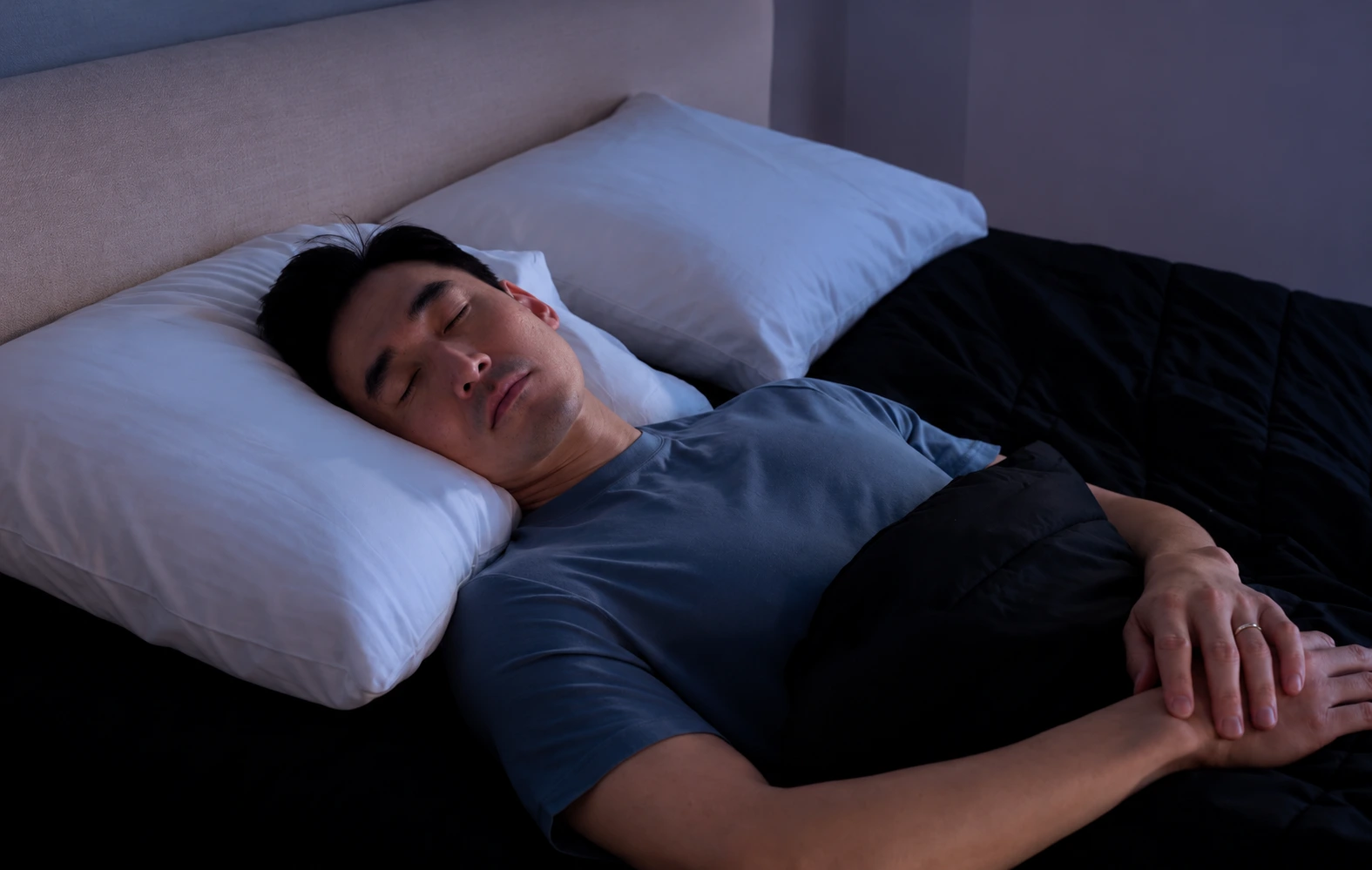
Sleep, Fatigue & Recovery Testing & Assessment in DubaiTesting and medical evaluation are individualized according to medical history, symptoms and clinical findings. Investigations are selected to answer relevant clinical questions rather than used as a universal sleep or burnout panel. Cortisol, melatonin, hormonal panels, genetic testing and microbiome testing are not routinely required for every patient. Consumer wearable sleep scores can provide estimates of sleep patterns but are not definitive medical diagnoses.
• Clinical & Medical History. Review sleep concerns, medical history, current medications, lifestyle factors and relevant symptoms.
• Sleep Assessment. Sleep schedules, sleep diaries and validated questionnaires may be used where appropriate to understand sleep patterns and daytime symptoms.
• Stress & Wellbeing Screening. Clinical discussion and validated screening instruments may be used when indicated.
• Targeted Laboratory Testing. Clinically appropriate investigations may help evaluate possible medical contributors to fatigue, such as anemia, thyroid dysfunction, metabolic abnormalities or nutritional deficiencies. The choice of tests depends on symptoms and clinical assessment.
• Sleep Specialist Referral. When symptoms suggest a sleep disorder requiring additional investigation, specialized assessment and diagnostic sleep testing may be appropriate.
A Personalized Approach to Sleep & RecoveryRecommendations depend on the underlying concerns, contributing factors and individual needs. Medical review, practical lifestyle changes and qualified specialist care may be combined where appropriate.
• Sleep Routine & Circadian Alignment. Support appropriate sleep timing, consistency and environmental adjustments according to individual needs.
• Evidence-Based Insomnia Management. Discuss appropriate behavioural interventions, including cognitive behavioural therapy for insomnia (CBT-I), or qualified specialist referral when indicated.
• Stress Management Strategies. Explore practical approaches to managing stress, lifestyle factors and emotional wellbeing.
• Lifestyle & Physical Recovery. Consider exercise patterns, rest, nutrition and sustainable recovery routines.
• Medical Management. Identify and manage relevant medical contributors according to clinical findings and the clinician's professional scope.
• Ongoing Monitoring. Review symptoms, sleep patterns and treatment response at clinically appropriate intervals.
CBT-I and other specialist interventions require appropriately qualified providers. Availability must be confirmed with the clinic, and improvement is not guaranteed.
Medical Treatment Options for Sleep & RecoveryA structured approach can help guide appropriate assessment and create a plan that can be reviewed over time.
• 1. Restore Sleep Consistency. Assess sleep timing, environmental factors and behavioural patterns that may affect sleep quality.
• 2. Identify Contributing Factors. Consider stress, medications, medical conditions and other relevant influences on sleep, energy and recovery.
• 3. Develop an Individualized Plan. Discuss appropriate interventions or specialist services based on the assessment findings.
• 4. Monitor & Adjust. Review symptoms and progress, modifying the plan when needed.
Sleeping medication, supplements, IV treatments and hormone therapy are not automatically recommended for sleep complaints. Any intervention should be considered according to individual clinical needs.
Your Mental Wellness, Sleep & Recovery Journey at Getchecked ClinicA structured pathway helps organize assessment, care planning and ongoing review around your individual needs.
• 1. Initial Consultation. Discuss sleep difficulties, symptoms, lifestyle, health history and personal concerns.
• 2. Targeted Assessment. Undertake appropriate clinical evaluation, questionnaires and selected investigations when indicated.
• 3. Personalized Care Plan. Discuss findings, medical treatment where appropriate, evidence-based sleep interventions and potential referral needs.
• 4. Ongoing Review. Monitor response, review relevant health factors and adjust recommendations as appropriate.
How to Prepare for Your AppointmentPreparing relevant information can help make your consultation more productive.
• Sleep Diary. Bring records of your usual sleep and wake times, if available.
• Medical Records. Bring relevant laboratory results and previous medical assessments.
• Medications & Supplements. Prepare a list of current prescription medicines, over-the-counter products and supplements.
• Lifestyle & Symptoms. Be ready to discuss work schedules, caffeine intake, exercise, stress and daytime symptoms.
Do not discontinue prescribed medications or take sedatives specifically for your appointment unless instructed by your clinician.
Why Choose Getchecked Clinic for Sleep & Recovery Health?• Physician-Led Clinical Assessment. Evaluation of possible medical and lifestyle contributors to sleep and recovery concerns.
• Personalized Care. Recommendations based on each patient's history, symptoms and individual needs.
• Integrated Preventive Health. Consideration of metabolic, hormonal and cardiovascular factors when clinically relevant.
• Continuity & Follow-Up. Ongoing review and coordination of further care when needed.
Follow-up and specialist coordination depend on clinical need and service availability.
Explore Related Getchecked Clinic ServicesExplore relevant clinical assessment and preventive-care pathways. These services are not substitutes for indicated sleep or mental health care.
• Cardiometabolic & Chronic Disease Management. Explore connected cardiovascular and metabolic risk factors and ongoing clinical care.
• Hormonal Health. Review hormone assessment information when clinically relevant.
• Preventive Health Screening. Explore diagnostic assessment pathways selected according to individual needs.
• Advanced Blood Testing. Discuss targeted laboratory investigations for possible medical contributors to fatigue.
• Regenerative & Recovery Care. Read existing recovery-care information. Experimental regenerative interventions are not established treatments for mental health or sleep disorders.
• Live Beyond 100™ / Longevity Medicine. Explore preventive health and long-term wellbeing planning.
The suitability and availability of individual services should be confirmed with the clinic.
Longevity & Preventive MedicineDiscover the Live Beyond 100™ preventive-health philosophy.
Sleep and recovery care can complement a broader approach to preventive health. Learn more about the Live Beyond 100™ preventive-health philosophy at Getchecked Clinic.
What causes poor sleep quality?
Poor sleep quality may be associated with irregular sleep schedules, stress, medications, medical conditions, breathing disturbances and environmental factors. The possible causes depend on the individual's symptoms and health history.
When should I seek medical assessment for insomnia?
Consider medical assessment when difficulty falling asleep, staying asleep or returning to sleep persists or affects daytime functioning. Assessment can help identify possible contributing factors and determine whether further care is appropriate.
Can stress affect sleep and physical health?
Yes. Ongoing stress and emotional distress may contribute to sleep disruption, fatigue, physical tension and reduced quality of life. Sleep and stress concerns can influence one another.
What is the difference between tiredness and excessive daytime sleepiness?
Tiredness or low energy describes feeling fatigued, while excessive daytime sleepiness involves difficulty staying awake. Persistent symptoms may warrant assessment of sleep duration, medications and possible medical or sleep disorders.
Can vitamin or hormonal deficiencies contribute to fatigue?
Some medical or nutritional abnormalities may contribute to fatigue. Targeted investigations, such as tests for anemia, thyroid dysfunction or nutritional deficiencies, may be considered when clinically indicated. Not every patient needs a broad hormonal or nutritional panel.
What are the common signs of sleep apnea?
Loud snoring, witnessed breathing pauses and daytime sleepiness may indicate the need for specialist evaluation. These symptoms do not confirm sleep apnea; diagnostic sleep testing may be required.
Do I need a sleep study?
Not everyone with sleep difficulties needs a sleep study. The decision depends on symptoms, medical history and clinical findings. A clinician may recommend specialist assessment and formal testing when a sleep disorder is suspected.
Is insomnia treatable without sleeping tablets?
Behavioural approaches, including CBT-I, may be appropriate for insomnia. Suitability depends on the individual, and treatment should be discussed with a qualified clinician or appropriately trained provider. Medication is not automatically required for every sleep complaint.
What is work-related burnout?
Work-related burnout involves exhaustion, reduced functioning and symptoms associated with occupational stress. Burnout is an occupational phenomenon rather than a stand-alone medical diagnosis, and no single blood test or cortisol measurement can diagnose it.
How does Getchecked Clinic develop individualized sleep and recovery plans?
The approach may include a clinical and medical history, sleep assessment, appropriate wellbeing screening and targeted laboratory testing when indicated. Recommendations may involve practical sleep and lifestyle strategies, medical management, ongoing review or specialist referral, depending on the findings.
Related services and pages